The Archaeological Site and Museu de l’Esquerda (Les Masies de Roda – Roda de Ter) is a key location for understanding the historical and cultural evolution of inland Catalunya. Situated on a peninsula surrounded by the Ter River, the site was inhabited from the 8th century BC to the 14th century and preserves evidence of more than 2,500 years of history: from the Late Bronze Age through the Iberian, Visigothic, Carolingian and medieval periods until its abandonment in 1314.
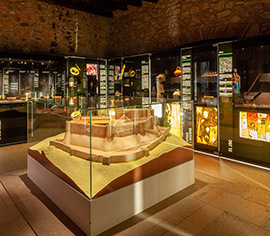
L’Esquerda was once the capital of the Iberian Ausetani people: Ausa. It featured an imposing defensive wall with large towers, a north–south street, workshops, possible remains of a sanctuary and, later, a fortified medieval town. Initially known as Roda Ciutat, it became known as Sant Pere de Roda from the 11th century onwards. This medieval settlement included streets, houses and a Romanesque church surrounded by its necropolis. Excavations have revealed a substantial agricultural and defensive complex.
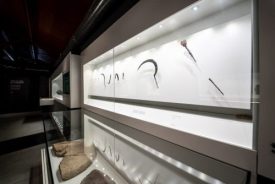
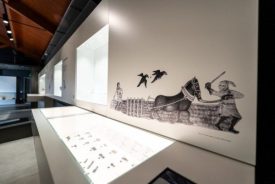
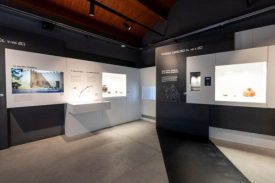
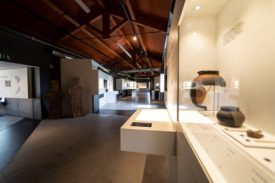
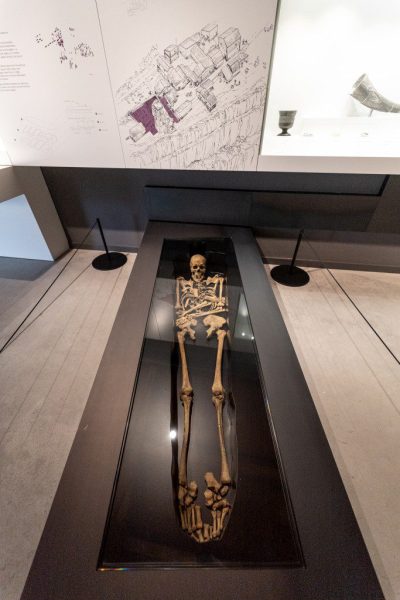
The Museu de l’Esquerda, located in the centre of Roda, preserves and interprets the materials uncovered at the site: ceramics, tools, coins and other objects that shed light on daily life over the centuries. The complex offers an immersive experience with educational activities, guided tours and spectacular views. It is a key site for exploring the millennia-old heritage of Osona and the broader historical development of Catalunya.

 Roda de Ter